
Peru travel health
Sources checked
Overview
Peru’s health risks vary sharply by geography: most coastal cities and high‑altitude tourist sites (Lima, Cusco, Machu Picchu, Lake Titicaca) have low malaria and yellow‑fever transmission but limited high‑altitude exposure; the Amazon and lowland jungle carry higher risk of mosquito‑borne and zoonotic diseases. Recent heavy rains and the 2026 El Niño signal have increased mosquito vectors and floods in many regions—plan for insect protection, safe food and water, and limited access to advanced care in remote areas.
Entry rules and COVID‑19
Peru does not require proof of COVID‑19 vaccination or a negative test for entry; routine immigration rules (passport validity, visa where applicable) still apply. Check visa and passport rules with the Peruvian migration authority before travel. Peru Ministry of Health (MINSA) travel recommendations and general entry/visa pages for practical details. U.S. CDC Peru travel page.
Vaccinations and entry requirements
Separate legal entry requirements from health recommendations: Peru generally does not demand vaccination certificates for entry, but public‑health authorities strongly recommend some vaccines for travel to specific areas.
Routine vaccines
Make sure routine immunizations are up to date (MMR, diphtheria–tetanus–pertussis, varicella, polio, seasonal influenza). These are standard travel‑health measures and are recommended by major travel‑medicine authorities. U.S. CDC: routine vaccines and travel advice.
Hepatitis A and typhoid
Hepatitis A vaccine is recommended for all unvaccinated travelers to Peru. Typhoid vaccine should be considered for travelers who will eat or drink outside major hotels and restaurants, especially in rural or riverine areas. Discuss timing with your travel‑health clinician (some vaccines require a series or time to take effect). U.S. CDC: Hepatitis A and typhoid guidance.
Yellow fever
Yellow fever vaccination is recommended for travel to parts of the Peruvian Amazon and selected rainforest districts (examples include portions of Loreto, Madre de Dios, Amazonas, San Martín, Ucayali, Junín, and some districts of Cusco and other regions). MINSA recommends vaccination at least 10 days before travel and offers vaccination centers; the U.S. CDC also advises vaccination for travel to areas below specified elevations of the eastern lowlands. Peru does not routinely require a yellow‑fever certificate for general entry, but some remote border checkpoints or third countries may require one—carry the international certificate if you will visit jungle areas or if your onward route could demand it. Peru MINSA: yellow fever guidance and vaccination sites; U.S. CDC: yellow fever recommendations.
Malaria
Malaria is present in lowland Amazon areas east of the Andes (transmission generally below ~2,300–2,500 m). Risk is concentrated in parts of Loreto, Madre de Dios and other Amazonian departments; popular high‑altitude tourist sites such as Cusco, Machu Picchu and Lima have negligible malaria risk. If your itinerary includes the Amazon (e.g., Iquitos, Puerto Maldonado, riverine communities), consult a travel clinician about antimalarial prophylaxis and the best drug choice for your health and travel dates. CDC Yellow Book: malaria and prophylaxis; Loreto regional health reports showing ongoing malaria activity.
Rabies
Rabies circulates in dogs and wildlife (including bats). Pre‑exposure rabies vaccination should be considered for long stays, frequent work with animals, extensive jungle travel or where prompt post‑exposure care (vaccine plus human rabies immune globulin) may be difficult to obtain; note human rabies immune globulin is often scarce outside major urban centres. Any animal bite or scratch requires immediate wound care and urgent medical assessment. CDC Yellow Book: rabies advice.
Other selected vaccines
Consider hepatitis B (if you may have sexual contact, medical procedures, or prolonged local contact), influenza (seasonal), and, for selected long stays in rural Asia/Americas, evaluation for vaccines such as Japanese encephalitis or chikungunya (chikungunya vaccine availability varies). Your clinician will tailor choices to destination, length of stay and planned activities. U.S. CDC: destination‑specific vaccine list.
Other health risks
Non‑vaccine hazards and practical prevention tailored to common traveler exposures.
Arboviruses: dengue, chikungunya, Zika
A large seasonal increase in dengue cases is ongoing in 2026 and public‑health authorities have issued nationwide dengue alerts and expanded vaccination programs in some regions; Aedes mosquitoes also transmit chikungunya and Zika. Mosquito bite prevention (long sleeves, DEET/icaridin repellent, air‑conditioned or screened sleeping areas) is vital. Pregnant people should seek specific advice about Zika risk. Peru MINSA: dengue alert and plan (AE‑CDC N°001‑2026); PAHO dengue situation report.
Travelers’ diarrhea and safe water/food
Enteric infections remain a common risk. Drink bottled or treated water, avoid uncooked foods where hygiene is uncertain, and have a plan for short‑course self‑treatment (oral rehydration, and an antibiotic prescription when recommended by your clinician). Seek medical care for severe or bloody diarrhea. U.S. CDC: food and water safety.
Altitude illness
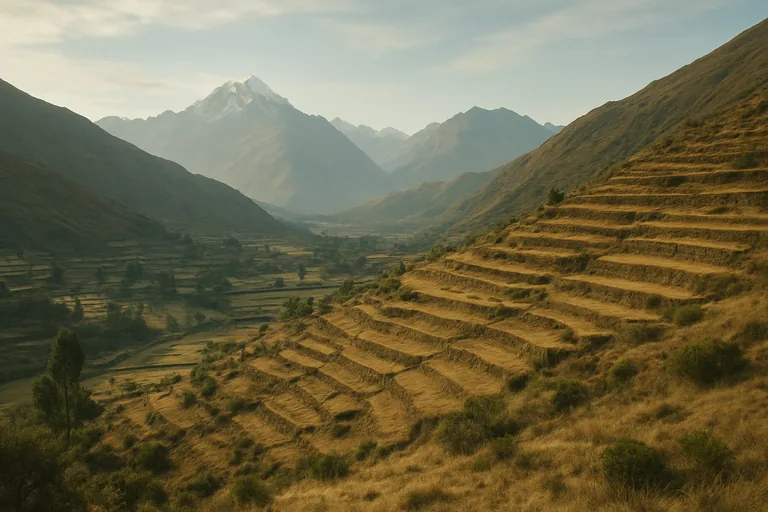
High‑altitude illness can affect visitors to Cusco, Puno and other Andean sites. Acclimatize gradually, avoid heavy exertion on arrival, stay well hydrated, and discuss preventive options (acetazolamide) with your clinician if you have risk factors or plan rapid ascent. CDC Yellow Book: altitude illness.
Floods, leptospirosis and wound infections
The 2026 El Niño‑related heavy rains have increased floods and standing water in many areas; public authorities have warned of higher risk for leptospirosis and other water‑related infections in affected regions. Avoid wading in floodwater, promptly clean and cover wounds, and seek healthcare for fevers after freshwater or floodwater exposure. Peru MINSA: epidemiological alerts linked to El Niño.
Current health alerts
Only actively supported, destination‑specific developments are listed below.
Widespread increase in dengue (2026)
MINSA has issued a national epidemiological alert (AE‑CDC N°001‑2026) because dengue cases have risen sharply in multiple regions and authorities have launched prevention and vaccination measures in priority areas (including Tumbes, Piura, Loreto and Ucayali among others). Travelers should expect increased mosquito activity, possible local health‑service strain, and vector‑control operations. Peru MINSA dengue alert; PAHO dengue situational report.
Ongoing malaria activity in Amazon departments
Regional surveillance shows persistent malaria transmission in Amazon departments (e.g., Loreto) in 2026; visitors to riverine or forest communities should take mosquito precautions and consider chemoprophylaxis when indicated. Loreto regional malaria situational report; CDC Yellow Book: malaria guidance.
Yellow fever activity and vaccination campaigns
MINSA has prioritized vaccination campaigns in regions with detected yellow fever cases and continues to advise vaccination for travel into rainforest areas; travelers to those areas should be vaccinated at least 10 days before arrival and carry an international certificate if required by onward destinations. Peru MINSA: yellow fever vaccination recommendation.
Before you travel
Plan health protection early: review routine and destination‑specific vaccines, discuss malaria prophylaxis if visiting the Amazon, pack insect repellent and a basic first‑aid/diarrhea kit, and ensure you have travel and medical‑evacuation insurance that covers remote care. Register itinerary with your embassy if that service is available and carry documentation of prescriptions and vaccine records.
Preparedness reminder
This information summarizes published public‑health guidance. A travel‑health professional can advise on your itinerary, medical history and vaccination needs.