
Nepal travel health
Sources checked
Overview
Key preparations for Nepal focus on vaccines for common enteric and vector-borne infections, planning for limited care outside major cities, protection against insect bites in lowland/monsoon areas, and awareness of altitude illness for trekkers. Recent seasonal flooding and a rise in Japanese encephalitis (JE) cases in 2026 affect parts of the Terai and some hill districts; check local guidance for specific districts before travel.
Practical trip planning
Buy travel health and medical-evacuation insurance; bring routinely used prescription medicines in original containers and copies of prescriptions; expect better medical services in Kathmandu than in rural areas but limited capacity after natural disasters. For general traveler health guidance see the U.S. Centers for Disease Control and Prevention (CDC) advice for Nepal. Centers for Disease Control and Prevention (CDC) and read the U.S. State Department country advisory for warnings about recent flood-damaged areas. U.S. Department of State.
Entry formalities and digital registration
Nepal requires a visa (apply in advance or obtain a visa on arrival where available); since 2025/2026 the government requires foreign nationals to register using the NepaliPort system on arrival. Follow official immigration portals and use only government sites for payments. Department of Immigration, Government of Nepal and the NepaliPort user manual. Department of Immigration (NepaliPort user manual).
Vaccinations and entry requirements
Separate legal entry requirements (vaccination certificates accepted at border control) from medical recommendations. Arrange travel vaccinations well before departure—many require multiple doses or time to become effective.
Legal entry vaccine certificates (yellow fever and polio)
Nepal requires a valid yellow fever certificate for travellers arriving from or transiting more than 12 hours through countries with risk of yellow fever transmission (applies to travellers aged ≥9 months). Nepal also lists polio vaccination proof for travellers arriving from specified polio-risk countries and advises residents/long-term visitors to have a recent polio dose (see conditions and the country lists in the Civil Aviation Authority of Nepal AIP). These are administrative entry rules and differ from routine travel vaccine advice. Civil Aviation Authority of Nepal (AIP).
Routine and widely recommended vaccines
Ensure routine immunizations are up to date (measles/MMR, diphtheria‑tetanus‑pertussis, varicella, polio where indicated). Travelers should also be current with influenza vaccination before travel. For destination-specific recommendations (Hepatitis A, typhoid, hepatitis B) see CDC guidance for Nepal. Centers for Disease Control and Prevention (CDC Yellow Book: Nepal).
Hepatitis A and typhoid
Hepatitis A vaccine is recommended for most travellers because food and water hygiene is variable. Typhoid vaccine is also advised for many travellers, particularly those visiting smaller towns, eating street food, or staying with local families. Practice food/water precautions in all settings. Centers for Disease Control and Prevention (CDC).
Rabies
Dog-mediated rabies is endemic in Nepal. Consider pre‑exposure rabies vaccination if you will have prolonged rural exposure, work with animals, or might have delayed access to prompt post‑exposure care; if bitten, wash wounds immediately and seek medical care for post‑exposure prophylaxis (PEP). Nepal is working to expand PEP access but vaccine and rabies immunoglobulin may be limited outside larger hospitals. Centers for Disease Control and Prevention (CDC) and World Health Organization (WHO) — Nepal.
Japanese encephalitis (JE)
JE is endemic in Nepal, with the highest risk in lowland (Terai) and rural agricultural areas during and after the monsoon. JE vaccine is recommended for long-term residents, expatriates, or travellers who plan extended stays in rural Terai or who will spend significant time outdoors in affected districts during transmission season. Short stays in Kathmandu, Pokhara or high‑altitude trekking routes are generally not an indication for JE vaccination. For national surveillance, control strategies, and recent JE activity consult Nepal’s AES/JE surveillance manual and local situation reports. Centers for Disease Control and Prevention (CDC) and Ministry of Health and Population, Nepal — AES/JE surveillance manual.
Other health risks
Non‑vaccine risks that commonly affect travellers to Nepal include vector-borne infections, enteric illnesses, altitude illness for trekkers, and limited access to specialty care outside major cities. Adapt prevention to the places and activities you plan.
Malaria
Malaria transmission is low and geographically limited; risk is essentially confined to low‑altitude southern areas. CDC recommends antimalarial prophylaxis only for travel to areas below about 2,000 m in parts of Sudurpashchim and Karnali provinces (map and province details in CDC guidance). For most tourists to Kathmandu, Pokhara and mainstream trekking routes, chemoprophylaxis is not recommended; use mosquito‑bite prevention instead. Centers for Disease Control and Prevention (CDC Yellow Book: Nepal).
Dengue, scrub typhus and other mosquito/arthropod-borne infections
Dengue occurs across Nepal with seasonal peaks in warmer, wetter months; scrub typhus cases have risen in recent years. Mosquito‑bite prevention (repellent containing DEET or alternative active ingredients, permethrin‑treated clothing, bed nets, and avoiding outdoor activity at dusk/dawn) reduces risk. Centers for Disease Control and Prevention (CDC).
Enteric infections, hepatitis E and travellers’ diarrhea
Tap water and street food can expose travellers to bacterial, protozoal and viral enteric pathogens. Hepatitis A and typhoid vaccines are important prevention steps; hepatitis E is endemic and particularly dangerous in pregnancy, so pregnant travellers should emphasise safe food and water practices. Carry treatment for travellers’ diarrhea when visiting remote areas. Centers for Disease Control and Prevention (CDC).
Altitude illness and air quality
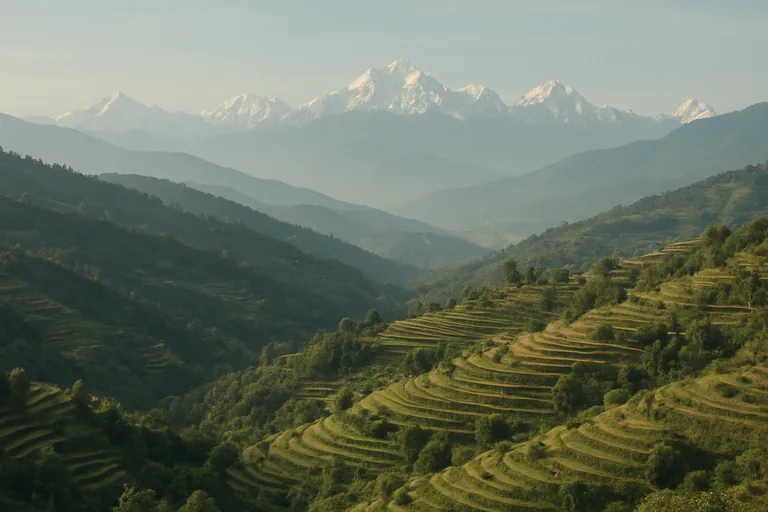
Trekking to high elevations (Annapurna, Everest regions) carries a risk of acute mountain sickness; acclimatize gradually and learn early warning signs. Kathmandu Valley frequently experiences poor air quality; those with cardiorespiratory disease should plan accordingly. Centers for Disease Control and Prevention (CDC).
Current health alerts
Only place‑specific, currently applicable developments are listed below; check local sources before travel.
Japanese encephalitis activity (2026)
In 2026 Nepal reported a rise in laboratory‑confirmed JE cases and associated deaths across multiple districts (notably in Terai districts), and provincial/local vaccination campaigns and surveillance responses were activated. Travelers with planned prolonged stays in rural Terai or those with significant outdoor exposure during the monsoon season should discuss JE vaccination with a travel‑health clinician. For national surveillance and outbreak response guidance see the Ministry of Health’s AES/JE manual and local situation reports. Ministry of Health and Population (Nepal) — AES/JE surveillance manual and recent reporting. Nepal News — JE situation report (Sep 2026).
Flooding and damaged infrastructure (August 2026)
Large flash floods in August 2026 caused fatalities, displacement, and ongoing recovery work in several districts; travel, health services and communications remain disrupted in affected river valleys and some border crossings. Avoid affected areas and follow local authority instructions; travelers should expect limited local medical capacity in those districts. See official travel advisories and international reporting for affected zones. U.S. Department of State — Nepal travel advisory and Associated Press — reporting on floods (Aug–Sep 2026).
Before you travel
Schedule a travel consultation 4–8 weeks before departure so you can complete multi‑dose vaccines, obtain malaria prescriptions if needed, and discuss rabies pre‑exposure vaccination and altitude‑illness planning. Carry a first‑aid kit, insect repellent, water‑treatment supplies where necessary, and clear instructions for emergency repatriation/evacuation insurance.
Helpful preparation checklist
Check visa and NepaliPort registration requirements with Nepal’s Department of Immigration; update routine vaccines; get Hepatitis A and typhoid if indicated; consider JE and rabies vaccines for rural/long stays; plan malaria prevention for lowland travel in specified provinces; pack medicines and insurance documentation. Department of Immigration, Government of Nepal and Centers for Disease Control and Prevention (CDC Yellow Book: Nepal).
This information summarizes published public-health guidance. A travel-health professional can advise on your itinerary, medical history and vaccination needs.