
Lesotho travel health
Sources checked
Overview
Lesotho is a high‑altitude, landlocked country surrounded by South Africa; healthcare outside Maseru is limited and some infectious diseases (notably canine rabies and periodic vaccine‑preventable disease outbreaks) are present. Prepare routine immunizations, consider travel‑specific vaccines and pack medicines and a plan for emergency evacuation if you will travel outside main towns or need specialist care.
Routine and travel vaccinations (summary)
Be up to date with routine vaccines (MMR, tetanus, diphtheria, pertussis, polio, varicella, seasonal influenza) and make sure COVID‑19 vaccinations are current according to your home‑country guidance. The US CDC lists Hepatitis A and Hepatitis B as recommended for most travellers to Lesotho; typhoid is recommended for travellers who will eat or stay in areas with limited sanitation. CDC Travelers' Health – Lesotho.
Yellow fever and entry rules
Lesotho does not require routine yellow fever vaccination for all arrivals. Some countries and travel services advise that a yellow fever certificate may be requested from travellers arriving from or transiting through yellow‑fever‑risk countries; check your onward and return transit rules. For the WHO International Travel and Health country listing (IHR) Lesotho is shown without a blanket entry requirement for yellow fever, and Lesotho Ministry of Health materials advise travellers about vaccination when departing for yellow‑fever‑endemic destinations. Verify requirements for your exact route before departure. WHO IHR travel advice (country list) · Government of Lesotho — travel requirements.
Rabies
Canine rabies occurs in Lesotho and dog bites are a common exposure source; human cases have occurred. Consider rabies pre‑exposure vaccination if you will work with or spend extended time near dogs or wildlife, or if timely access to post‑exposure prophylaxis (PEP) could be difficult. If bitten or scratched, wash wounds immediately and seek medical care promptly for assessment and possible PEP. Lesotho’s health and animal‑health plans show ongoing rabies surveillance and dog‑vaccination efforts. CDC Travelers' Health – Lesotho (rabies) · WHO / Lesotho NTD Master Plan (rabies data).
Malaria
There is no general malaria transmission risk in Lesotho. Antimalarial medicine is not routinely recommended for travel within Lesotho, but always confirm itineraries that include low‑altitude border areas in South Africa where malaria risk may exist. CDC Yellow Book — malaria risk by country · CDC Travelers' Health – Lesotho.
Other vaccine‑preventable disease notes
Measles circulation is a global concern; ensure you and your household are protected. Lesotho has routine immunization and periodic supplementary campaigns; local outbreaks have prompted targeted vaccination (see Current health alerts). For young children, check national childhood schedules and any catch‑up needs before travel. CDC — measles, routine vaccines.
Other health risks
Practical non‑vaccine risks and prevention steps travellers should consider.
Healthcare access and emergency evacuation
Hospitals and specialist care are concentrated in Maseru; facilities and ambulance services are limited elsewhere and serious cases may require transfer to South Africa. Carry travel health insurance that covers evacuation and confirm hospital contacts and embassy/consulate assistance before travel. If you have a chronic condition, bring sufficient medicines and a summary of your medical history. UK Foreign Travel Advice — Lesotho (health & hospitals) · Government of Canada — Lesotho travel advice (health).
Altitude and environmental hazards
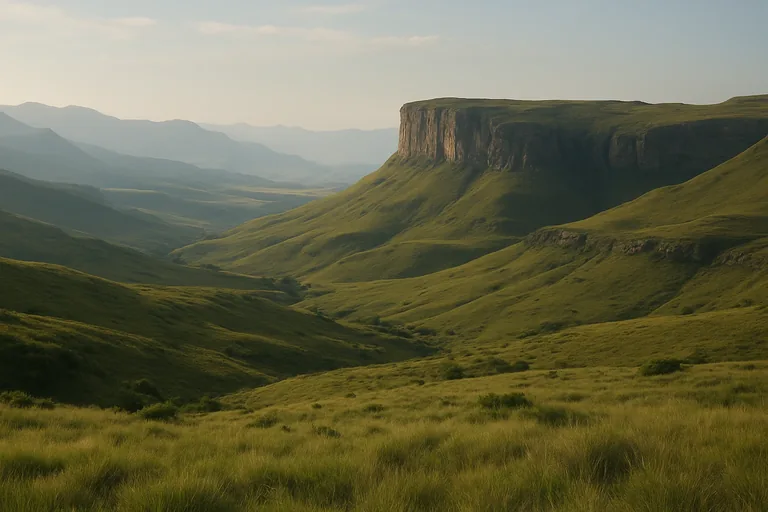
Lesotho is mountainous (mean elevation ≈2,160 m; highest point ~3,482 m). Visitors who plan trekking or rapid ascent to high areas should be aware of altitude illness and allow time to acclimatize, hydrate and avoid heavy exertion on the first days at elevation. Carry basic cold‑weather gear for winter and layered clothing year‑round in high country. CIA World Factbook — Lesotho geography.
Food, water and common infections
Hepatitis A and typhoid are food‑ and water‑borne risks in many parts of Africa; practise safe food and water habits (boil or bottled water, avoid raw street food, frequent hand hygiene). Freshwater exposure may risk schistosomiasis—avoid swimming or wading in untreated rivers and streams. CDC — hepatitis A/typhoid/schistosomiasis · WHO / Lesotho NTD Master Plan.
HIV and tuberculosis in the population
Lesotho has one of the world’s highest adult HIV prevalences and a significant TB burden. These factors affect public health services and population health but do not generally raise travel‑specific infection risk for short‑term visitors. Take standard precautions for sexual health, avoid non‑sterile injections or tattoos, and seek immediate care after any blood exposure. WHO — Lesotho country profile (HIV/TB) · Lesotho National HIV Estimates (2024/2025).
Animal bites, insects and vectors
Avoid contact with stray dogs and wildlife. Use insect repellents and protective clothing to reduce tick and mosquito bites (local ticks can transmit rickettsial infections and other tick‑borne diseases). Carry a first‑aid kit and a supply of any personal medicines. CDC Travelers' Health — Lesotho (avoid animals, bug bites).
Current health alerts
Only alerts with clear local reporting are included below.
Measles — district outbreak and vaccination campaign (October 2026)
Local health authorities reported a measles cluster in Botha‑Bothe District in early October 2026 and the Ministry of Health has been running a measles‑rubella vaccination campaign targeting children (campaign activities reported through late October 2026). Travelers with young children or those who have incomplete measles protection should confirm immunization before travel and avoid contact with suspected cases. Government of Lesotho — measles‑rubella campaign (Oct 2026) · Lesotho News Agency (LENA) — outbreak reporting.
Seasonal respiratory infections
Influenza and other respiratory viruses circulate seasonally; Southern Hemisphere winter (roughly May–September) is a higher‑risk period. Maintain routine influenza vaccination and usual respiratory hygiene precautions when local activity is reported. For global measles activity and travel‑related risk, refer to CDC updates. CDC — travel health notices (measles & respiratory precautions).
Before you travel
Plan vaccinations and medicines well before departure, check entry rules for yellow fever or other required documentation for your exact route, and arrange comprehensive travel insurance that covers medical evacuation.
Preparation checklist
Talk to a travel‑health clinician at least 4–6 weeks before leaving; bring vaccine records, a copy of prescriptions, adequate supplies of any chronic medications, and contact details for your embassy and local hospitals. If travelling to remote highland areas, plan for limited local services and possible transfer to South Africa for specialist care. Government of Canada — Lesotho travel advice · U.S. Department of State — Lesotho travel advisory (health & medical).
This information summarizes published public‑health guidance. A travel‑health professional can advise on your itinerary, medical history and vaccination needs.