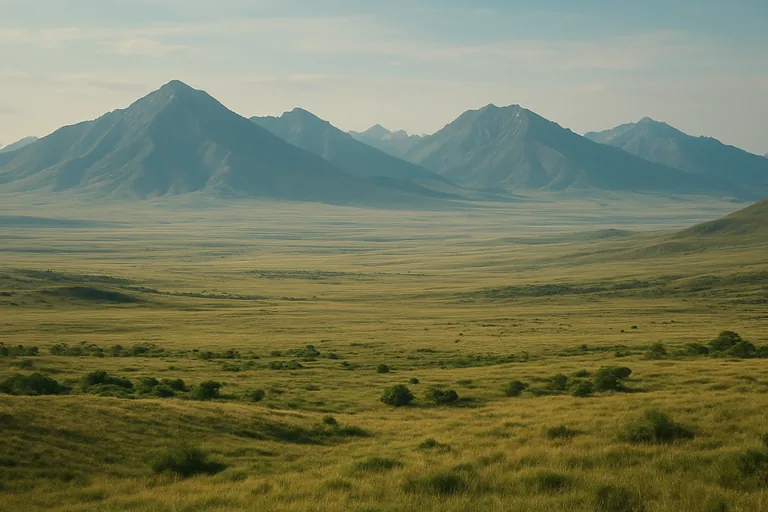

Kazakhstan travel health
Sources checked
Overview
Most travellers to Kazakhstan face low risk for vector-borne diseases that require routine prophylaxis, but there are notable, location‑specific hazards: tick-borne infections (including Crimean‑Congo haemorrhagic fever and tick‑borne encephalitis) in rural and southern/eastern areas, sporadic rabies exposures from dogs and wildlife, and food‑ and water‑borne infections in settings with limited sanitation. Health-care access is variable outside major cities; serious injuries (road trauma) and altitude illness in mountain areas are important non‑infectious risks.
Healthcare quality and practical preparation
Medical facilities and English‑speaking clinicians are available in larger cities but may be limited in regional towns; travellers should have travel health insurance that covers local care and medical evacuation, carry an adequate supply of regular medications, and bring prescriptions translated into Russian or Kazakh where possible (GOV.UK: Kazakhstan — health, WHO: Kazakhstan country profile).
Vaccinations and entry requirements
Below are the vaccines most commonly recommended for travellers to Kazakhstan and the lone routine international certificate requirement to check before departure. Review your routine immunisations early and discuss trip‑specific vaccines with a travel‑health clinician.
Routine vaccinations
Make sure you are up to date with routine vaccines used in your home country (MMR, diphtheria‑tetanus‑pertussis, polio, influenza, varicella, and shingles where applicable). Measles is a global concern; unvaccinated travellers are at risk. (CDC: Kazakhstan travel page).
Hepatitis A and B
Hepatitis A vaccine is recommended for most travellers who are not already immune because the virus is spread by contaminated food and water. Hepatitis B vaccination is recommended for travellers who may have sexual contact with new partners, need medical or dental care, or have other blood‑exposure risks. (CDC: Hepatitis A & B guidance, TravelHealthPro: Kazakhstan).
Typhoid
Consider typhoid vaccine if you will spend time in rural areas, eat street food, stay with local families, or have an extended stay. Safe food and water practices reduce risk but vaccination is advised for higher‑exposure travellers. (CDC: Typhoid guidance, TravelHealthPro).
Rabies
Dog rabies occurs in Kazakhstan and wildlife reservoirs exist; pre‑exposure rabies vaccination should be considered for travellers who will spend time outdoors in rural areas, work with animals, or might have delayed access to prompt post‑exposure care. If exposed, immediate wound cleansing and rapid access to post‑exposure prophylaxis (PEP) are essential; vaccine is generally available in major centres but rabies immunoglobulin (RIG) access may be limited. (CDC: Rabies, TravelHealthPro).
Tick‑borne encephalitis (TBE) and Crimean‑Congo haemorrhagic fever (CCHF)
TBE is present in parts of Kazakhstan (notably eastern areas and around Almaty); vaccination is recommended for travellers who will have extensive outdoor exposure in known TBE zones. CCHF is endemic in parts of southern Kazakhstan and causes sporadic outbreaks; prevention focuses on avoiding tick bites and exposure to animal blood. There is no widely available human vaccine for CCHF. (CDC: TBE, ECDC: CCHF factsheet, TravelHealthPro: Kazakhstan — TBE).
Yellow fever and entry certificates
Kazakhstan has no local yellow fever transmission, but under International Health Regulations a valid yellow fever vaccination certificate may be required for travellers arriving from countries with ongoing yellow fever transmission (including airport transit in some countries). Check whether your route or recent travel creates a certificate requirement. (CDC: Yellow fever / entry rules, TravelHealthPro: certificate requirements).
COVID‑19
Travel‑health authorities recommend travellers be up to date with COVID‑19 vaccinations before international travel. Entry rules change; confirm visa and health entry requirements with Kazakhstan consular services or your carrier before departure. (CDC: COVID‑19 and travel, GOV.UK: Kazakhstan — health).
Other health risks
Non‑vaccine risks and practical prevention measures likely to affect travellers.
Vector‑borne and mosquito‑transmitted infections
Malaria is not a routine travel‑risk in Kazakhstan; however, imported malaria cases have been reported in travellers returning from endemic countries. Dengue fever cases in 2026 have been reported among people arriving from overseas (no evidence of sustained local transmission). Use mosquito bite prevention for daytime‑biting Aedes and evening‑biting species when travelling to rural areas or after travel to tropical countries. (QazInform: imported dengue and malaria cases 2026, CDC: country advice).
Food, water and gastrointestinal infections
Traveler’s diarrhoea, hepatitis A and other enteric infections occur where food‑ and water‑hygiene are variable. Drink bottled or safely treated water, avoid raw produce unless you can peel it yourself, and follow hand hygiene. Consider bringing oral rehydration salts and anti‑diarrhoeal medicines after discussing with a clinician. (CDC: food and water precautions).
Ticks, animals and rural exposures
Avoid ticks by wearing long clothing and using effective repellents; inspect for ticks frequently. Avoid contact with stray or wild animals, do not feed animals, and seek immediate wound care and PEP assessment after bites or scratches. (ECDC: CCHF prevention, CDC: rabies advice).
Road safety, altitude and environmental hazards
Road traffic crashes are a leading cause of serious injury to travellers; use seatbelts and reputable transport. Parts of Kazakhstan are at high altitude — plan for slower ascent and recognise altitude illness. Seasonal extremes (hot summers, cold winters) may affect travellers and services. (GOV.UK: travel health — Kazakhstan).
Current health alerts
Active developments and ongoing risks of particular relevance to travellers as of the research date.
Measles
Measles activity remains elevated globally and Kazakhstan reported cases in recent years; ensure two documented MMR doses (or laboratory evidence of immunity) at least two weeks before travel. (CDC: measles — travel notice, Regional measles reporting).
Imported dengue and imported malaria cases (2026)
Kazakh public health authorities reported multiple imported dengue cases in 2026 and several imported malaria cases among people returning from travel. These reports reflect travel‑associated importation rather than established, widespread local transmission; travellers returning from tropical destinations should monitor for fever and seek evaluation promptly. (QazInform: 2026 imported dengue and malaria cases).
Crimean‑Congo haemorrhagic fever (CCHF)
CCHF is endemic in parts of Kazakhstan and has caused localized outbreaks (for example, investigations reported from 2022). Risk is linked to tick exposure and contact with animal blood (farmers, abattoir workers); travellers working with livestock or visiting rural southern regions should take precautions to avoid tick bites and animal blood contact. (Frontiers: outbreak investigation in Kyzylorda region, ECDC: CCHF factsheet).
Before you travel
At least 4–8 weeks before departure, see a travel‑health clinician to review vaccinations and medicines, arrange travel health insurance, and discuss prevention for ticks, animals and food/water risks. If you will visit remote or high‑altitude areas, plan for limited local services and longer evacuation times.
Key practical checks
Carry an international prescription and extra medicines, confirm insurance covers medical evacuation, get up to date with routine and trip‑specific vaccines (Hep A, Hep B, typhoid, rabies/TBE where indicated), pack insect repellent with DEET or picaridin and a tick‑removal tool, and learn emergency numbers (ambulance 103). Check visa and any health entry requirements with Kazakhstan consular services before travel. (GOV.UK: Kazakhstan — health, CDC: traveller checklist).
This information summarizes published public-health guidance. A travel-health professional can advise on your itinerary, medical history and vaccination needs.