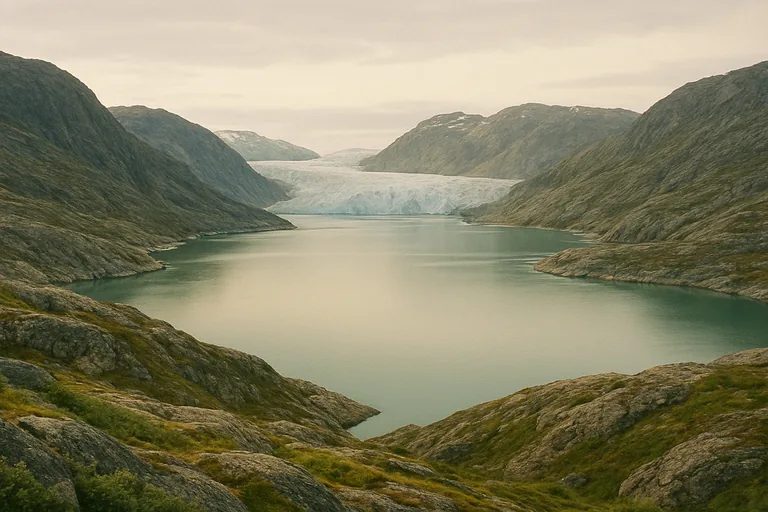

Greenland travel health
Sources checked
Overview
Greenland is a very large, sparsely populated Arctic territory with limited advanced medical services outside main towns, a cold and rapidly changing environment, and specific risks from wildlife and communicable diseases that remain more common than in many other high-income settings. Plan for limited local access to specialist care, possible medevac delays, and weather-dependent travel when you arrange health care and insurance.
Access to care and environment
Many settlements have only nursing clinics; regional hospitals are in towns and advanced care often requires air transfer to larger hospitals. Visitors should bring an adequate supply of regular medicines, expect delays for evacuation or specialist care, and prepare for cold-weather injuries and maritime risks on cruises or small-boat excursions (U.S. Department of State — Greenland travel advisory, Visit Greenland — visitor FAQ).
Vaccinations and entry requirements
Separate legal entry requirements from medical recommendations. Greenland does not require routine vaccination certificates for most travelers, but specific vaccines are recommended depending on itinerary, planned activities and medical history.
Routine and travel‑recommended vaccines
Make sure routine vaccines are up to date (MMR, diphtheria‑tetanus‑pertussis, polio, influenza where appropriate). CDC advises all international travelers to be fully vaccinated against measles (MMR) and recommends COVID‑19 vaccination boosters for those eligible. Hepatitis A should be considered for most travelers, especially if you will eat in smaller settlements or street‑food settings; hepatitis B is recommended for unvaccinated travelers of all ages. Discuss shingles and other age‑specific vaccines with your clinician. (CDC — Greenland: Vaccines and medicines).
Rabies
Terrestrial rabies circulates in Arctic wildlife in Greenland (not commonly in domestic dogs), so consider rabies pre‑exposure vaccination if your plans include long stays in remote communities, handling wildlife or working outdoors where prompt post‑exposure care would be difficult. If exposed (bite or saliva contact), seek urgent local medical care and arrange appropriate post‑exposure prophylaxis. (CDC — Rabies advice for Greenland, Statens Serum Institut (Denmark) — classical rabies in Arctic foxes).
Yellow fever and legal entry rules
Greenland itself does not require routine vaccination certificates for most visitors, but, following WHO guidance, a valid yellow fever vaccination certificate is required only for travelers arriving from or transiting (over 12 hours at airport) through countries with risk of yellow fever transmission. This is an administrative entry rule, not a recommendation to vaccinate for travel within Greenland. Always check rules that apply to your exact route and transit points. (WHO — Yellow fever entry requirements (country list), CDC — entry requirements summary).
How to use this advice
Treat vaccination guidance as individualized: talk with a travel-health clinician at least 4–6 weeks before departure to review your schedule, vaccine history and need for multi‑dose vaccines (hepatitis B, rabies). Legal entry requirements (such as yellow fever certificates) depend on recent travel through other countries — check authorities for each stop on your route. (CDC — Greenland travel health overview).
Other health risks
Non‑vaccine risks in Greenland are driven by the remote, cold environment; local disease patterns; and limited local resources.
Tuberculosis (TB)
Greenland has a substantially higher TB incidence than most European countries. WHO/World Bank data indicate a high estimated incidence (around 139 cases per 100,000 population in recent reporting), and public‑health services in Greenland maintain active TB control programmes. Travelers with prolonged close contact with local populations (household or prolonged domestic work) should be aware of the risk, avoid prolonged exposure to people with cough, and seek medical evaluation if they develop persistent cough or fever after travel. (World Bank / WHO — TB incidence data, CDC — Tuberculosis advice).
Rabies and animal contact
Arctic rabies circulates in wildlife such as Arctic foxes; reported positive animals have been identified in recent surveillance. Do not approach or feed wild animals, avoid contact with seals or foxes, and prevent animal saliva contact with breaks in skin. If bitten or scratched, clean the wound and obtain urgent medical care for possible post‑exposure prophylaxis. (Statens Serum Institut — rabies surveillance, CDC — rabies guidance).
Vectorborne diseases and insects
There is no malaria risk in Greenland. Mosquitoes and other biting insects can be abundant in summer; use EPA‑recommended repellents, protective clothing and permethrin‑treated gear when appropriate. (CDC — insect bite prevention).
Food, water, and zoonotic risks
Water in many towns is treated and safe; in remote hiking areas, avoid drinking from stagnant small lakes and treat water from uncertain sources. Practise standard food‑safety measures to reduce diarrheal illness and consider hepatitis A vaccination where recommended. Avoid handling animal carcasses and contact with rodent urine to reduce leptospirosis and hantavirus risks. (Visit Greenland — water and health advice, CDC — food and water safety).
Outdoor and cold‑weather injuries
Hypothermia, frostbite and accidents while hiking, boating or ice‑related activities are common hazards. Learn basic cold‑weather safety, carry appropriate clothing and navigation equipment, and follow local guide advice. If visiting northern or eastern coasts, be aware of polar bear presence and follow local guidance. (Visit Greenland — polar bear and outdoor safety).
Current health alerts
Only alerts with clear, destination‑specific relevance are listed below.
Ongoing high tuberculosis incidence
Tuberculosis remains an endemic public health concern in Greenland with higher incidence than in most European countries; this represents an ongoing background risk rather than a short‑term outbreak. Travelers with prolonged close contact with local communities or health‑care settings should take precautions and seek testing if symptomatic. (World Bank / WHO — TB incidence).
Rabies in Arctic wildlife
Surveillance reports describe classical (terrestrial) rabies circulating in Arctic foxes and occasional positive animals identified in recent years; this is a persistent wildlife risk in parts of Greenland and neighbouring Arctic areas. Avoid animal contact and seek urgent medical care after any bite, scratch or mucous‑membrane exposure. (Statens Serum Institut — rabies report, CDC — rabies information).
Measles — global travel notice
Measles activity is rising in many countries. While this is not a Greenland‑specific outbreak, all international travelers should be fully vaccinated against measles before travel. (CDC — measles advisory for travelers).
Before you travel
Practical steps to reduce health risks for travel to Greenland.
Preparation checklist
See a travel‑health clinician 4–8 weeks before departure to review vaccines (MMR, hepatitis A/B, rabies where indicated, influenza and COVID‑19), obtain advice on first‑aid and evacuation insurance, confirm prescription supplies, and discuss TB and rabies risks relative to your planned activities. Arrange travel insurance that covers medical evacuation and remote search‑and‑rescue if you will take expedition cruises or visit remote settlements. Follow local safety guidance for cold‑exposure and wildlife. (CDC — travel health checklist, U.S. Department of State — Greenland advisory, Visit Greenland — traveler FAQ).
This information summarizes published public‑health guidance. A travel‑health professional can advise on your itinerary, medical history and vaccination needs.