
Bolivia travel health
Sources checked
Overview
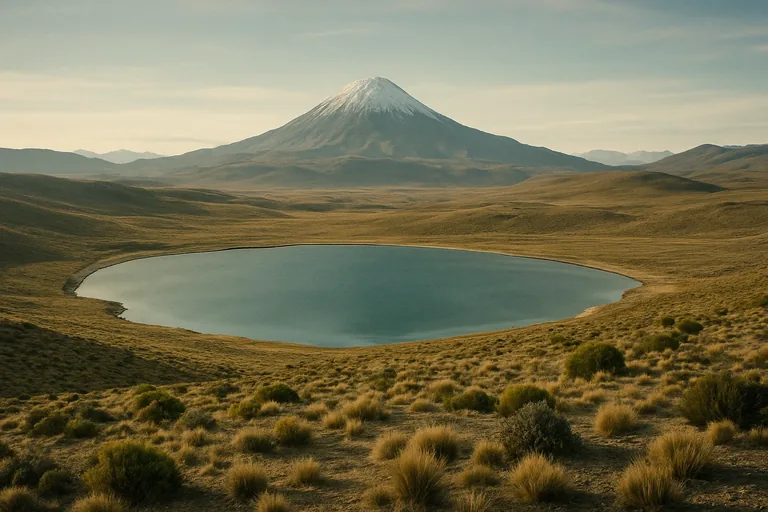
Bolivia’s geography ranges from high Andean cities (La Paz, Potosí, Uyuni, Lake Titicaca) to tropical lowlands in the Amazon and the departments of Beni, Pando and Santa Cruz. Health preparation should be tailored to altitude (risk of acute mountain sickness at elevations above ~2,500 m), mosquito-borne infection risk in lowland and forested areas, and limited medical access outside major cities. Yellow fever vaccination and malaria prevention are the two most travel-relevant, location-dependent interventions; routine vaccines, food-and-water precautions and bite-avoidance are also important. U.S. CDC: Bolivia travel page.
Altitude sickness (high-altitude illness)
Many popular destinations (La Paz ~3,600 m, Potosí ~4,000 m, Uyuni salt flats, El Alto) are at elevations that commonly cause acute mountain sickness (AMS). Acclimatize slowly when possible (avoid rapid ascent >1,200 m to >3,500 m in one day), rest, hydrate, avoid heavy exertion and alcohol on arrival, and seek medical advice if you have heart or lung disease. Preventive acetazolamide (Diamox) may be appropriate for some travellers; consult a clinician before use. CDC Yellow Book: high-altitude travel.
Vaccinations and entry requirements
Separate legal entry requirements from clinical vaccine recommendations. Certificates may be required in specific circumstances; clinical advice depends on itinerary, duration and planned activities.
Yellow fever — certificate and recommendation
Bolivia lists yellow fever risk in lowland and Amazon areas and requires an International Certificate of Vaccination (ICVP) against yellow fever from travellers arriving from countries with yellow fever risk; the vaccine is recommended for travel to Amazon and other lowland areas under ~2,300 m (for example the departments of Beni, Pando and Santa Cruz and parts of Cochabamba, La Paz, Chuquisaca and Tarija). Vaccinate at least 10 days before travel when indicated and carry the official certificate. For legal/entry details see Bolivia’s health authority and the WHO IHR country list. Bolivia Ministry of Health (resolution on yellow fever zones), WHO: IHR list of countries with YF certificate requirements, PAHO: Bolivia yellow fever profile.
Routine and commonly recommended vaccines
Ensure routine immunizations are up to date (MMR, diphtheria–tetanus–pertussis, varicella, polio). Hepatitis A vaccination is routinely recommended for most travellers to Bolivia because of risk from contaminated food and water. Hepatitis B vaccination is advised for travellers who may have sexual contact with new partners, require medical procedures, or have extended stays. Typhoid vaccine should be considered for travellers visiting smaller towns or rural areas or eating outside major hotels and restaurants. Measles vaccination is important given intermittent regional outbreaks—verify two doses for adults or record of immunity. U.S. CDC: Bolivia travel page, UK: TravelHealthPro – Bolivia.
Rabies (pre-exposure for selected travellers)
Dogs with rabies remain a public-health concern in Bolivia. Pre‑exposure rabies vaccination should be considered for travellers with prolonged stays, work with animals, remote travel where prompt post‑exposure care and immunoglobulin may be difficult to obtain, or frequent outdoor activities in endemic areas. Even if vaccinated, any bite or scratch requires immediate wound cleaning and urgent medical evaluation. U.S. CDC: Bolivia travel page (rabies), PAHO: Peru–Bolivia rabies cooperation.
COVID-19 and other entry documentation
Entry vaccine certification and testing rules for COVID‑19 have varied over time. Yellow fever is the primary vaccine-related international certificate explicitly referenced by Bolivia’s public-health rules for arrivals from risk countries. Check official Bolivian migration/consular channels before travel for any temporary or nationality-specific rules (airlines may also enforce boarding requirements). For country-level entry guidance, consult government travel pages. U.S. Department of State: Bolivia travel advisory (entry guidance), WHO: IHR (yellow fever certificate clarification).
Other health risks
Non‑vaccine risks for travellers depend mainly on geography and activities. Key concerns and practical prevention measures are summarised below.
Malaria (lowland Amazon and some rural areas)
Malaria risk is concentrated in lowland, Amazon and forested areas (not in high-altitude cities). Plasmodium vivax predominates; P. falciparum is uncommon. Malaria chemoprophylaxis is recommended for travellers to at‑risk areas — choice of drug (atovaquone–proguanil, doxycycline, mefloquine, primaquine/tafenoquine where appropriate) should be individualized by itinerary, medical history and pregnancy status. Mosquito bite prevention (repellents, treated bed nets, clothing) is essential. U.S. CDC: malaria country recommendations, U.S. CDC: Bolivia travel page.
Arboviruses: dengue, chikungunya and Zika
Dengue and chikungunya are transmitted by daytime Aedes mosquitoes and occur throughout lowland and urban areas; transmission is seasonal and driven by local mosquito activity. Recent years have seen elevated dengue/chikungunya activity in parts of Bolivia, particularly in Santa Cruz department. There is no widely available vaccine for dengue suitable for most travellers; strict bite avoidance (DEET or picaridin repellents, long sleeves, air‑conditioned accommodation or screened rooms) is the main prevention. Pregnant travellers should discuss Zika risk with their clinician if there is local Zika transmission. PAHO: dengue situation (Americas, 2026), Bolivia Ministry of Health: epidemiological bulletins.
Food- and water-borne infections (including hepatitis A and typhoid)
Contaminated food and water cause diarrhoeal illnesses, hepatitis A and typhoid. Vaccination (hepatitis A, typhoid where indicated), frequent hand hygiene, and safe food‑and‑water choices (boiled/bottled water, fully cooked foods, peeled fruit) reduce risk. Carry oral rehydration salts and seek care for high fever or persistent diarrhoea. U.S. CDC: Bolivia travel page.
Leptospirosis, Chagas and other locally relevant infections
Leptospirosis can be transmitted in fresh water or flood conditions—avoid wading in suspect water and use protective clothing. Trypanosoma cruzi (Chagas disease) is present in rural areas; reduce risk from triatomine ("kissing bug") exposure by using screened accommodation and insect precautions. Seek local public-health guidance for occupational or extended rural stays. U.S. CDC: Bolivia travel page, Bolivia Ministry of Health bulletins.
Access to care and medicines
High-quality hospitals and clinics are concentrated in larger cities; remote and jungle areas may have limited or delayed access to advanced care and to specific vaccines or immunoglobulins (for example rabies immune globulin). Carry sufficient prescription medicines, a basic first‑aid kit, and comprehensive travel insurance that includes medical evacuation if your itinerary includes remote locations. U.S. Department of State: Bolivia travel advisory.
Current health alerts
Only alerts and outbreaks with clear, country‑level public‑health documentation are included below.
Dengue and chikungunya activity (2025–2026)
PAHO and Bolivia’s Ministry of Health reported elevated dengue activity during 2025–2026 and local chikungunya surges (notably in Santa Cruz department) with thousands of cases reported in 2026. These arboviral outbreaks increase the risk to travellers in lowland and urban areas where Aedes mosquitoes are active; strict daytime bite prevention is essential. Check local bulletins for department‑level updates before and during travel. PAHO: dengue sitrep (Nov 2026), Bolivia Ministry of Health: epidemiological bulletins (2026).
Yellow fever events in the region
Regional yellow fever cases were highlighted in 2025–2026 by PAHO; Bolivia remains a country with areas of yellow fever risk and the public‑health authorities maintain vaccination recommendations and conditional entry certificate requirements for travellers arriving from countries with active transmission. If your trip includes Amazonian or lowland areas, follow the vaccination guidance and carry the certificate. PAHO: yellow fever alert (Mar 2026), Bolivia Ministry of Health: YF guidance.
Before you travel
Plan vaccine and malaria prevention early, match protection to your exact itinerary, and prepare for altitude and limited care in remote areas.
Preparation checklist
At least 4–8 weeks before travel: review routine vaccinations and get recommended vaccines (hepatitis A, typhoid, rabies pre‑exposure if indicated, yellow fever if travelling to lowland/Amazon areas). Discuss malaria prophylaxis options with a clinician if you will visit lowland/rural areas. Pack a medicines kit, insect repellents (DEET/picaridin), water purification or bottled water, and a plan for altitude acclimatisation. Verify entry/health-document rules with your airline and the Bolivian consulate for your nationality shortly before departure. U.S. CDC: Bolivia travel page, TravelHealthPro: Bolivia guidance.
Final note
This information summarizes published public‑health guidance. A travel‑health professional can advise on your itinerary, medical history and vaccination needs.