
Western Sahara travel health
Sources checked
Overview
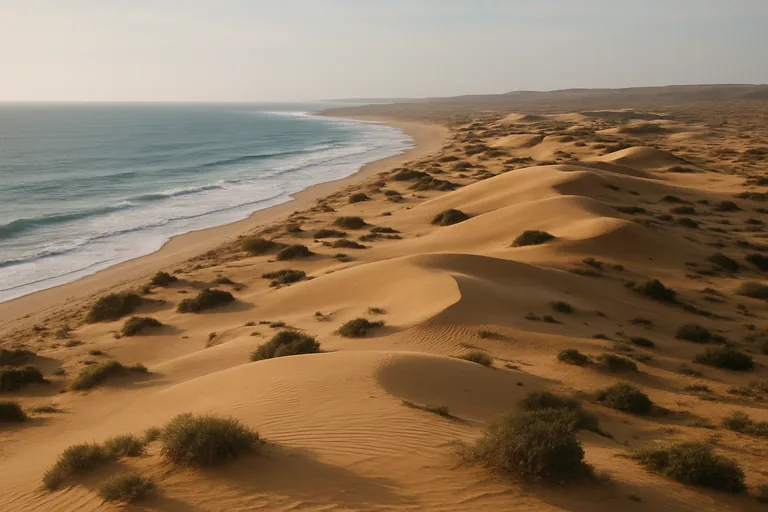
Key preparation and exposure points for travellers: the territory is largely desert, medical facilities are limited outside main towns, and parts of the territory are subject to security restrictions. Carry adequate travel health insurance (medical evacuation), check entry arrangements for Moroccan‑administered areas, and ensure routine vaccinations are up to date before travel.
Health system, access and security
Medical facilities are available in main cities (Laayoune, Dakhla, Smara) but are limited or almost non‑existent in desert areas; for advanced care you may need transfer to Morocco or the Canary Islands — buy travel insurance that covers evacuation and repatriation. For practical safety and entry guidance see the UK Foreign Office guidance for Western Sahara. UK Foreign, Commonwealth & Development Office (Western Sahara).
Entry and travel restrictions
Administration and entry practice are complex: Moroccan authorities control the Moroccan‑administered parts of Western Sahara, and travellers commonly follow Morocco’s entry rules (e.g., many nationalities may visit without a visa for limited periods); travel into and across some border/buffer zones is restricted and independent travellers can be turned back. Check the authority that will control your point of entry (for practical consular advice see the Moroccan consular pages linked from the UK guidance). UK Foreign Office — entry requirements (Western Sahara).
Vaccinations and entry requirements
Separate legal/administrative entry requirements from medical recommendations. The statements below combine country‑specific travel clinic guidance with internationally accepted prevention advice; discuss individual needs with a travel‑health professional.
Routine vaccines — make sure you are up to date
All travellers should be current with routine immunisations (e.g., MMR, diphtheria‑tetanus‑polio, varicella according to the traveller’s age and national schedule). Routine vaccination review is recommended at least 4–6 weeks before departure. TravelHealthPro — Western Sahara (routine vaccination advice).
Hepatitis A
Hepatitis A is transmitted by contaminated food or water; vaccination is recommended for travellers who have not previously been immunized. Take care with food and water hygiene in all areas. TravelHealthPro — hepatitis A recommendation for Western Sahara.
Typhoid
Typhoid vaccination is recommended for most travellers, especially those visiting friends and relatives, long‑stay travellers, or anyone likely to eat or drink in settings with poor sanitation. Good food and water precautions are still essential. TravelHealthPro — typhoid recommendation.
Hepatitis B
Western Sahara is assessed as having intermediate–high hepatitis B prevalence. Vaccination should be considered for travellers at increased risk (medical procedures, sexual exposure, long stays, healthcare or laboratory work). TravelHealthPro — hepatitis B guidance.
Measles (MMR)
Make sure you have the recommended two doses of measles‑containing vaccine; infants travelling to mix with local people may need early vaccination per their health professional’s advice. Global measles activity is elevated in multiple regions, increasing the chance of travel‑related exposure. TravelHealthPro — measles advice and CDC — measles data and guidance.
Tetanus
Ensure tetanus immunisation is current; if medical facilities are limited at your destination, a booster is recommended if your last dose was more than 10 years ago. TravelHealthPro — tetanus advice.
Rabies
Rabies is present in the territory and bats may carry rabies‑like viruses. Pre‑exposure vaccination is recommended for travellers with increased risk (long‑stay, work with animals, limited access to care, high‑risk activities). After any bite or scratch, immediate wound cleaning and urgent medical assessment are essential; rabies immunoglobulin (RIG) may be in short supply — completing a pre‑exposure course simplifies and shortens post‑exposure treatment. TravelHealthPro — rabies and post‑exposure note.
Yellow fever
There is no yellow fever transmission risk in Western Sahara and the country has not stated a yellow fever certificate entry requirement; still, check requirements for onward travel or for flights transiting yellow fever endemic countries. TravelHealthPro — yellow fever and certificate information.
Malaria
Western Sahara is considered malaria‑free for routine travel; malaria prophylaxis is not recommended for travel within the territory, but insect bite avoidance remains important. WHO mapping classifies the whole of Western Sahara among areas without ongoing malaria transmission. If you travel through or onward to malaria‑endemic countries, follow destination‑specific malaria guidance. TravelHealthPro — malaria risk and WHO — malaria mapping / risk classification.
Seasonal influenza
Consider seasonal influenza vaccination if you are not up to date, especially if you are at higher risk of complications or will travel during local influenza season; vaccination timing and recommendations follow national guidance. CDC — influenza advice for travellers and TravelHealthPro — routine vaccine reminder.
Other health risks
Non‑vaccine risks and practical prevention advice for travellers to Western Sahara.
Environmental risks — heat, sun and dehydration
Desert conditions can cause heat illness, severe sunburn and dehydration. Carry water, use sun protection, limit exertion in the heat, and plan travel times to avoid the hottest hours. Seek medical care early for heat exhaustion or heatstroke. UK Foreign Office — healthcare and desert access.
Food‑ and water‑borne illness
Traveller’s diarrhoea and other enteric infections occur where sanitation and food safety are variable. Use safe‑food and water precautions, hand hygiene, and carry oral rehydration supplies. Vaccination against hepatitis A and typhoid reduces but does not remove risk. TravelHealthPro — food and water hygiene resources.
Insect bites and vector‑borne disease (non‑malaria)
Even where malaria is absent, insect bites can cause irritation and transmit other infections; use insect bite avoidance measures (repellent, clothing, nets where appropriate). TravelHealthPro — insect bite prevention.
Road safety, remote travel and first aid
Road traffic accidents and delays in reaching care are important hazards outside main towns. Travel with a plan for remote evacuation, bring a basic first‑aid kit and any personal medicines in original packaging, and carry proof of prescriptions. If you require regular medications check local availability before you travel. UK Foreign Office — medical facilities and insurance.
Tuberculosis
Reported TB incidence in Western Sahara is relatively high; avoid prolonged close contact with people known to have infectious pulmonary TB. BCG vaccination and workplace infection control are relevant for certain groups (young children moving to live there, healthcare workers). TravelHealthPro — TB incidence and BCG guidance.
Current health alerts
Only destination‑specific, currently applicable developments are listed.
Local outbreak status (as of 27 October 2026)
Authoritative country guidance and major travel‑health sources consulted do not list any active, Western Sahara‑specific infectious‑disease outbreaks at the time of this review. Always check up‑to‑date outbreak surveillance shortly before travel because local conditions can change. TravelHealthPro — Western Sahara (country page) and UK Foreign Office — travel advice (Western Sahara).
Regional and global alerts
Global measles activity and some regional cholera surges have been reported in 2026; these are not specific to Western Sahara but increase the general importance of being up to date with MMR and practising food/water precautions. Check WHO and country public‑health pages for any late changes that could affect travel plans. WHO — Weekly Epidemiological Record (regional alerts) and CDC — measles data.
Before you travel
Plan at least 4–6 weeks ahead for vaccines or schedules that need multiple doses, confirm insurance and evacuation cover, bring adequate supplies of personal medicines, and have contact details for medical help at your destination (emergency ambulance number 150 is used locally in the Moroccan‑administered areas). Check entry rules and any last‑minute health controls with the authority that will govern your point of entry.
Final note
This information summarizes published public‑health guidance. A travel‑health professional can advise on your itinerary, medical history and vaccination needs.